


The future of polymers: biodegradable solutions to a global challenge
Polymers are around us in all kinds of shapes and formats, everyday products. They've improved the quality of human life and they've made so many technologies available. One of the challenges with polymers, though, is that they are synthetic. They're prepared using petrochemicals. We have not done a very good job knowing what happens to them. If they degrade over time. With the context of microplastics, when these very small pieces of these polymers are breaking off, that also means they're getting into environments or spaces that we may not want them to be. When we talk about sustainability, or, tackling things like plastic pollution, this is a problem that encompasses aspects of every discipline. You just look at the plastics in the environment and in the realm of thermosetting adhesives and glues, like where I'm studying, that certainly contributes to it. Principally the desire is to replace petrochemicals with a natural polymer. In our lab, we are trying to make medical packaging materials safer for the patients. We also want to provide the knowledge and the feedback for designers to design packaging in the more efficient way. I believe the best way to protect our environment from the harmful effects of microplastics is to use biodegradable plastics wherever possible. My group looks for solutions that are based on natural polymers, carbohydrate based polymers. We are looking for drop in solutions with minimal trade off in their performance. A drop in solution is a polymer that can be directly replaced for a non-biodegradable material, so that the manufacturer can use the same equipment that they would use for the synthetic polymer. One of the major themes of our research generally is trying to find solutions to the issues associated with plastic waste, the pollution, proliferation of microplastics. We're looking at a natural model in the material that these colitis bees create, They line their nests with what is essentially a polyethylene mimic. We've learned over the course of the last year or so that these nests do biodegrade in the soil in about a course of a year. it seems like these bees, have figured out this problem for us. Students are working on a new renewable glue, and it's based on lignin. Lignin is nature's glue. It's the glue that holds wood together. The breakthrough that we're talking about now and that the students are benefiting from, is that there's this new method of pulping. We can remove the lignin and retain the natural structure, In the realm of microplastics, one of the strategies is to replace these materials with renewable polymers, hoping that the microparticles that they produce are somehow biodegradable. We work to understand the underlying conditions and the root cause of the microplastic generation. We try to understand how the whole medical supply chains can cause the releasing the microplastic, or any emerging contaminants into the patients or the end users. We can intentionally and thoughtfully design these systems. We have the ability to anticipate because we've seen other examples of this going wrong. We have the ability to anticipate it happening again, and we can design both the products and the systems for managing that differently to mitigate and prevent going forward.
Related Content
-
Video Item
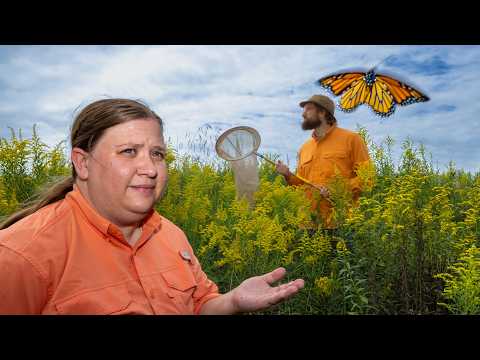 Can we save an imperiled pollinator? , video Date: Oct 09, 2026
-
Video Item
 Virginia Tech students unearth the story of Earth’s history , video Date: Oct 08, 2026
-
Video Item
 Teachers become fossil hunters alongside Virginia Tech researchers , video Date: Oct 07, 2026
-
Video Item
 Dean Warren Dixon explains why great engineers are curious , video Date: Sep 21, 2026