


Virginia Tech Helmet Lab turns research into safer choices
It is an absolute game changer. We were really scrambling in the dark. Now there's actually a tried and true science-based tool for parents to use. It completely reshaped the landscape of youth tackle football. Community isn't always defined by geography. Sometimes it's a network of people and organizations connected by a shared challenge. The Virginia Tech Helmet Lab’s community stretches from youth football fields to construction sites, bringing real-world experience into research and putting independent evidence back into people's hands. Our primary research is injury biomechanics. So we look to figure out the forces that cause injury to the human body. And if we understand that, we could do things to prevent injury from occurring. Once we understood how frequently the players hit their heads, how hard, where on a helmet was impacted and which impacts were most likely to cause concussion, we can then take that data into the lab to build test equipment to mimic those conditions. What began with tests comparing 10 different football helmets, has grown in a helmet ratings for over 750 helmets across nine categories. So before Virginia Tech even did one test in the lab, they went out to the field and did research with contractors. Virginia Tech wanted to understand how workers are getting injured in the workplace. We have a large team of undergraduate and graduate students, and without them we wouldn't be what we are today. As students, we’re not just watching the research happen. We're running tests, working with real-world data, and helping answer questions that matter to people who use these helmets. This is what reciprocal engagement looks like. At the Helmet Lab, researchers, students and community partners work together so community needs shape the research, and the research in turn, leads to better decisions, safer products, and safer communities.
Related Content
-
Video Item
 Celebrating women in agriculture , video Date: Oct 01, 2026
-
Video Item
 Meet the student who designed this year's Hokie socks , video Date: Sep 23, 2026
-
Video Item
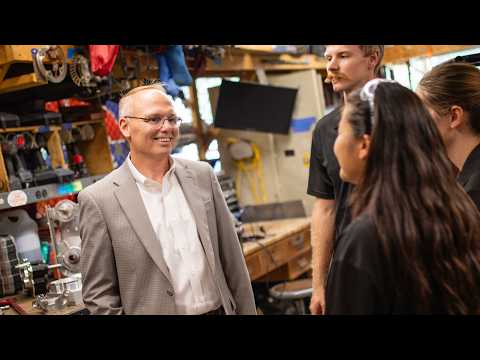 Dean Warren Dixon explains why great engineers are curious , video Date: Sep 21, 2026
-
Video Item
 Leading a new era of aviation , video Date: Sep 10, 2026