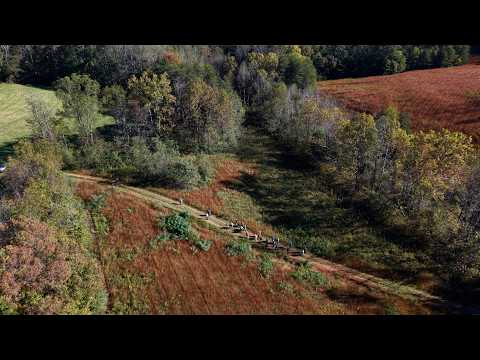
Dry summer increases risks for landscape trees
Ongoing drought intensifies stress on trees already affected by a dry summer. Virginia Cooperative Extension experts say homeowners should be watching – and watering – now.

After a year of dry weather, Virginia’s landscape trees are stressed, making them more vulnerable to insects, diseases, and other problems. With hot, dry conditions continuing into fall, Virginia Cooperative Extension experts recommend regular watering and monitoring to catch early signs of trouble.
“Often we do not notice when trees are struggling until it is too late,” said Jason Fisher, a forestry and natural resources Virginia Cooperative Extension agent. “Many landscape trees are already stressed, which leaves them more vulnerable to pressure from insects or disease. These factors can compound over time, eventually pushing a tree beyond its ability to recover.”
Why drought puts trees at risk
Drought doesn’t often kill a tree outright. Instead, it can weaken the tree’s ability to respond to other environmental stressors, such as an improper planting location or pressure from insects and diseases.
Trees rely on soil moisture to transport nutrients and carry out photosynthesis. When soils are very dry, the tree may not be able to perform these vital functions.
“Trees in home landscapes are often already dealing with many stressors,” Fisher said. “For example, they may be planted in conditions that don't match their species' natural growing requirements, or they may be fighting off a pest or disease problem.”
Watch for signs of drought stress
Homeowners should regularly check trees for changes that could indicate drought stress, including:
Leaves turning brown or curling at the edges
Leaves dropping prematurely without displaying typical fall colors
Excessive needle shedding through the fall and winter
Unusual browning or changes in the tree’s appearance
Water early and deeply
Don't wait for visible signs of trouble. Fisher recommends regularly watering trees through the fall until the first frost.
In dry weather, water trees deeply each week, covering the entire root zone beneath the tree canopy. Trees less than two years old are particularly susceptible to drought and will need additional water and care as they establish their root systems.
Use drip irrigation
Fisher recommends drip irrigation, which allows water to soak slowly into the soil, rather than running off or evaporating.
“Get a five-gallon bucket and drill a few holes in the bottom. Then leave the bucket under the tree for the water to slowly seep out,” he recommends. “If you pour the entire bucket onto the area at once, most of that water is going to run off or evaporate before it soaks deep into the soil.”
When to ask for help
If a tree shows signs of decline, homeowners should contact their local Virginia Cooperative Extension office or a certified arborist to help identify the source of the problem.